Source anti rust 5000 series aluminum sheet for Decoration Construction Boat
Find 30 verified listings for anti rust 5000 series aluminum sheet from Chinese suppliers. Compare thickness, alloy grades, and processing services to match your project needs. Explore options ranging from 0.1mm to 400mm thickness with various surface treatments available for diverse industrial applications.
Key considerations
Products List
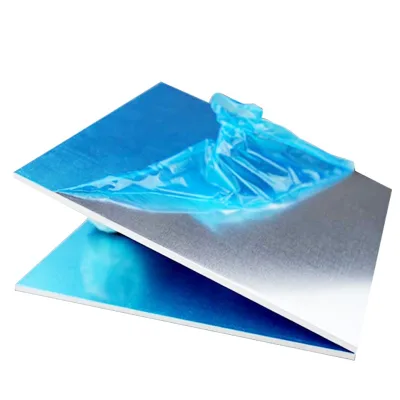
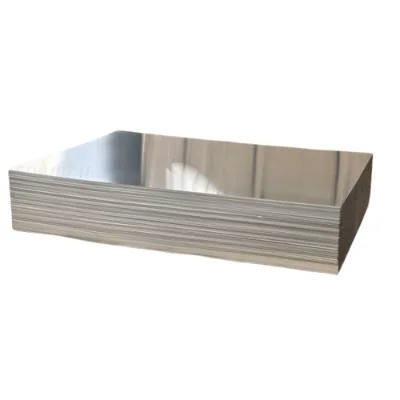
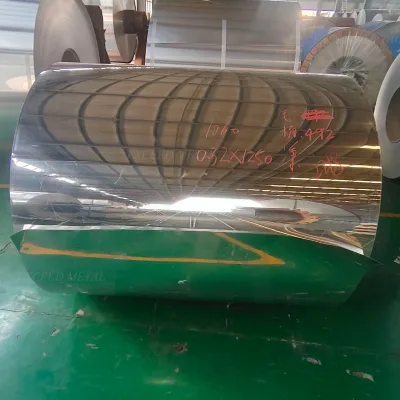


Comprehensive Sourcing Guide
Anti Rust 5000 Series Aluminum Sheet Sourcing Guide
Procuring anti-rust 5000 series aluminum sheet requires a strategic focus on magnesium-rich alloys that offer superior corrosion resistance compared to other commercial grades. Buyers must recognize that this series, particularly alloys like 5052 and 5083, is engineered for environments where exposure to moisture, salt, or industrial chemicals is prevalent. The inherent properties of these alloys make them ideal for applications ranging from marine construction to decorative architectural elements, ensuring longevity without frequent maintenance. Understanding the specific alloy composition is the first step in defining procurement specifications that align with project durability requirements.
Sourcing decisions should also account for the wide range of available temper states and surface treatments that influence both performance and cost. Suppliers often offer options from O to H112 tempers, allowing buyers to select the balance between formability and strength needed for their specific manufacturing processes. Additionally, surface finishes such as mill finish, coated, or embossed options provide further customization for aesthetic or functional needs. Evaluating these variables early in the sourcing process helps prevent costly redesigns or material failures during the fabrication stage, ensuring the selected sheet meets both structural and visual expectations.
Product Scope and Observed Listing Signals
The current market for 5000 series aluminum sheet presents a diverse array of product listings that vary significantly in dimensions and specifications. Observed data indicates a broad thickness range from 0.1mm to 400mm, with widths extending up to 4300mm and lengths reaching 12000mm. This variability suggests that suppliers cater to both small-scale decorative projects and large-scale industrial construction needs. Buyers should carefully review the specific model numbers listed, such as 5052, 5754, or 5083, to ensure the exact alloy matches their engineering requirements, as performance characteristics differ notably between these specific grades.
Listing signals also reveal important details about packaging and origin that impact logistics and total landed cost. Products are typically shipped from major manufacturing hubs like Chongqing, China, using seaworthy export packing that includes plastic film, kraft paper, and wooden pallets. This robust packaging is essential for protecting the aluminum sheets from damage during transit, especially given the potential for heavy weights associated with thicker plates. Buyers must verify if the listed dimensions include custom cutting services, as many suppliers offer processing services like bending, punching, and cutting to reduce secondary manufacturing steps on the buyer’s end.
Technical Specifications to Verify
Verifying technical specifications is critical to ensuring the aluminum sheet meets the intended application’s structural demands. Buyers must confirm the exact alloy designation, as the 5000 series encompasses multiple grades with varying magnesium content and trace elements. It is essential to check the temper state, which defines the material’s hardness and tensile strength, ranging from annealed (O) to strain-hardened (H) conditions. Additionally, tolerance levels should be explicitly stated, as deviations in thickness or width can affect fit and finish in precision assemblies. Confirming these details prevents mismatches between supplier capabilities and project engineering drawings.
Surface quality and finish options also play a significant role in the material’s performance and appearance. While mill finish is common, some applications may require coated or embossed surfaces for enhanced durability or aesthetic appeal. Buyers should inquire about the specific surface treatment processes used, as these can affect corrosion resistance and paint adhesion. Furthermore, verifying the coil ID or sheet dimensions against standard equipment capabilities ensures compatibility with existing manufacturing lines. Clear communication of these technical parameters helps avoid disputes and ensures the delivered material performs as expected in service.
Compliance and Safety Documentation
Compliance with international standards is a non-negotiable aspect of sourcing aluminum sheet for global projects. Buyers should request documentation confirming adherence to recognized standards such as ASTM, EN, GB, JIS, or ISO, depending on the target market’s regulatory requirements. These standards ensure that the material’s chemical composition and mechanical properties meet defined benchmarks for quality and safety. Certifications like ISO 9001:2008 indicate that the supplier follows a robust quality management system, which is crucial for maintaining consistency across large production runs. Verifying these certifications protects buyers from liability and ensures product reliability.
Safety and environmental regulations also influence material selection, particularly for applications involving food contact or strict environmental controls. Buyers must confirm that the aluminum alloy does not contain prohibited substances and complies with relevant environmental directives. While specific test results are not always listed, suppliers should be able to provide material test certificates (MTCs) that detail the chemical analysis and mechanical test outcomes. Requesting these documents upfront ensures transparency and allows for thorough due diligence. Proper documentation not only facilitates customs clearance but also builds trust with end clients who require proof of material integrity.
Cost Drivers and Commercial Terms
Understanding the cost drivers behind aluminum sheet pricing helps buyers negotiate better commercial terms and forecast budgets accurately. The primary cost factors include the base price of aluminum ingots, alloying elements like magnesium, and processing fees for tempering and surface treatment. Thickness and width also significantly impact pricing, with thicker plates and wider sheets generally commanding higher prices due to increased material usage and manufacturing complexity. Buyers should be aware that prices can fluctuate based on global market conditions, so locking in rates through fixed-price contracts may be advisable during periods of volatility.
Commercial terms such as payment methods and delivery times are equally important in the procurement equation. Common payment terms include Telegraphic Transfer (TT) and Letters of Credit (LC), which offer varying levels of security for both parties. Delivery times typically range from 22 to 30 days, depending on order volume and customization requirements. Buyers should also consider Incoterms like FOB, CIF, or DAP, as these determine who bears the risk and cost of transportation. Clarifying these terms early in the negotiation process prevents unexpected expenses and ensures smooth logistics management throughout the supply chain.
Supplier Qualification and Quality Control
Supplier qualification is a vital step in mitigating supply chain risks and ensuring consistent product quality. Buyers should prioritize suppliers who demonstrate a strong track record in manufacturing aluminum alloys and hold relevant industry certifications. Checking for honors or recognitions, such as being listed as a top-quality supplier, can provide additional confidence in the supplier’s reliability. It is also beneficial to assess the supplier’s production capacity and lead times to ensure they can meet project deadlines without compromising on quality. A thorough background check helps identify reputable partners who can support long-term procurement needs.
Quality control processes are the final safeguard against receiving substandard materials. Buyers should inquire about the supplier’s internal quality assurance protocols, including 100% QC testing procedures before shipment. Requesting samples for pre-production evaluation allows buyers to verify surface finish, dimensions, and mechanical properties firsthand. Additionally, establishing clear communication channels for addressing any discrepancies ensures that issues are resolved promptly. Implementing a rigorous supplier qualification and quality control framework minimizes the risk of defects and ensures that the aluminum sheet meets the highest standards of performance and durability.
Long-Term Procurement Checks
Establishing long-term procurement checks ensures that the relationship with suppliers remains productive and aligned with evolving project needs. Regular audits of supplier performance, including delivery punctuality and product consistency, help maintain high standards over time. Buyers should also stay informed about changes in industry standards or regulations that may affect material specifications. Periodic reviews of cost structures and market trends allow for proactive adjustments to procurement strategies. By maintaining a dynamic approach to supplier management, buyers can secure a stable supply of high-quality aluminum sheet for future projects.
Continuous improvement in procurement processes also involves fostering open communication and collaboration with suppliers. Sharing feedback on product performance and addressing any concerns promptly strengthens the partnership and encourages suppliers to prioritize buyer requirements. Additionally, exploring opportunities for customization or value-added services can enhance the overall value proposition. By focusing on long-term relationships rather than transactional interactions, buyers can build a resilient supply chain that supports business growth and operational efficiency. This strategic approach ensures sustained access to reliable, high-performance aluminum materials.
FAQs
What grades are available for anti rust 5000 series aluminum sheet?
Available grades include 5005, 5052, and 5083 within the 5000 series. These alloys offer excellent corrosion resistance suitable for marine and construction applications. The product also supports temper ranges from O to H112 for various strength requirements.
How thick can the anti rust 5000 series aluminum sheet be?
Thickness ranges from 0.1mm up to 400mm depending on the specific alloy and processing requirements. This wide range allows for diverse applications ranging from thin decorative panels to heavy structural components in transportation tools and boat building projects.
Which surface treatments are offered for the aluminum sheet?
Surface treatments include mill finish, coated, and embossed options to suit different aesthetic and functional needs. The standard mill finish provides a raw metallic look, while coated or embossed surfaces enhance durability and visual appeal for decoration or construction uses.
Can I customize the dimensions of the aluminum sheet?
Yes, customization is available for length, width, and thickness to meet specific project requirements. Standard widths range from 600mm to 4300mm, and lengths can extend up to 12000mm, ensuring flexibility for various industrial and architectural applications.
What certifications does the anti rust 5000 series aluminum sheet hold?
The product holds certifications including ASTM, EN, GB, JIS, ISO, and RoHS standards. These certifications ensure compliance with international quality and safety requirements, making the material suitable for export markets and regulated industries like transportation and construction.
How long is the delivery time for the aluminum sheet?
The standard delivery time ranges from 22 to 30 days after order confirmation. This lead time accounts for processing services like bending, welding, and cutting, ensuring the product meets specific specifications before shipment from the Chongqing facility.
What payment terms are accepted for purchasing the aluminum sheet?
Accepted payment terms include TT, LC, and other standard international methods. These flexible options facilitate secure transactions for buyers, supporting both single item purchases and larger volume orders with varying financial requirements and risk profiles.